Mom and Son Silhouettes: A Designer's Review
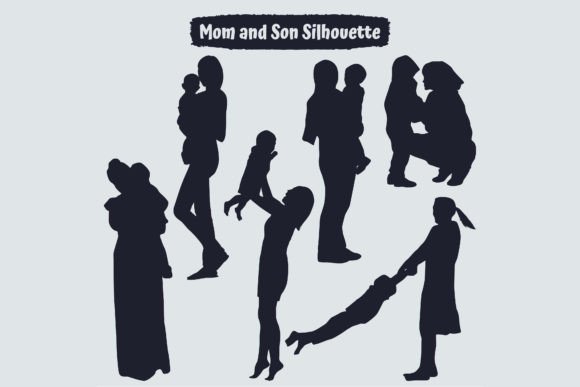
When I first opened the Mom and Son Silhouettes Illustration files, my immediate reaction wasn't just about the aesthetic; it was about potential. As someone who spends hours digitizing and stitching for clients, I look at graphics through a very specific lens. I don't just see an image; I see thread paths, density issues, and how a design will sit on a textured sweatshirt versus a smooth tote bag. This collection, delivered as Adobe Illustrator (AI) and Encapsulated PostScript (EPS) files, offers a versatile foundation for anyone looking to create emotional, high-value handmade products.
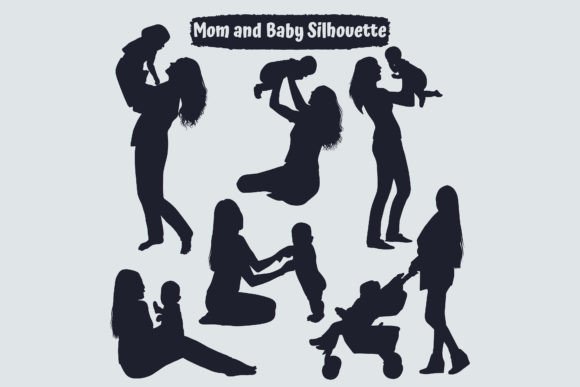
The mood of these silhouettes is undeniably warm and timeless. There is a quiet strength in the way the shapes interact—whether it's a mother holding a child's hand or a tender embrace. For embroidery designers, this simplicity is a double-edged sword that requires careful handling. The lack of internal detail means the outline quality is everything. In my initial assessment, the curves appeared smooth and organic, which is crucial. Jagged vectors translate poorly into stitch density maps, often resulting in stair-stepping on curved edges. Fortunately, these Illustrations seem to have clean paths, making them excellent candidates for conversion into a machine embroidery design.
Real-World Application: The Custom Tote Project
To truly evaluate this asset, I imagined a real-life scenario: a custom order for a local boutique specializing in new mother gifts. The client wanted a series of canvas tote bag design options that felt personal but not overly cluttered. This is where the Mom and Son Silhouettes Illustration shines. Because the design relies on shape rather than intricate shading, it works beautifully as a single-color fill stitch or even a bold satin stitch border.
If I were stitching this onto a natural cotton canvas, I would likely choose a deep charcoal or navy thread to create a stark, elegant contrast. The silhouette approach eliminates the need for complex color changes, which reduces production time—a critical factor for Etsy sellers and craft business owners managing tight deadlines. The visual personality of the design suggests intimacy without being cheesy. It fits perfectly into the current trend of minimalist nursery decor and understated custom apparel. When a customer sees this stitched onto a high-quality bag, they immediately recognize the sentiment. It elevates the perceived value of the finished product because it feels bespoke, even if the base graphic is a stock asset.
Versatility Across Products
Beyond tote bags, these Graphics are incredibly adaptable. I can easily envision them scaled down for a baby embroidery project on a onesie bib or scaled up for a statement piece on a heavyweight hoodie. For sweatshirt embroidery, the solid shapes of the silhouettes hold up well against the loopback texture of fleece. Unlike highly detailed portraits that can get lost in the fabric pile, a strong silhouette remains readable from a distance.
For those running a small shop, these assets are gold for creating cohesive branding. You could use the same silhouette on a tea towel, a pillow cover, and a branded apron, creating a unified "Mom and Me" collection for holiday embroidery seasons like Mother's Day or Christmas. The emotional resonance of the theme drives buyer engagement. People aren't just buying a stitched item; they are buying a memory. Furthermore, since you receive vector files, you can manipulate the scale infinitely before digitizing, allowing you to create everything from tiny embroidered patch logos to large wall hanging centerpieces.
Navigating Technical Challenges
However, a professional review must address the pitfalls. While the AI and EPS formats are industry standards for vector editing, they are not native embroidery file formats like PES or DST. This means you cannot load them directly into your machine. You must digitize them first or hire a digitizer. This is a crucial step where the quality of the original vector matters immensely. If the source lines are broken or overlapping, your digitizing software might create unnecessary jumps or trims.
Special care is needed when applying these designs to tricky surfaces. For instance, stitching on a curved surface like a cap requires a smaller hoop size and potentially a simplified version of the silhouette to prevent puckering. On stretchy fabrics like jersey knits, the density of the fill must be managed carefully. A dense satin stitch border around a large fill area can cause the fabric to warp if the stabilizer isn't robust enough. I always recommend testing the design on scrap fabric of the same weight and texture as your final product. Check how the threads behave on dark fabric versus light; sometimes a silhouette needs a slight underlay adjustment to prevent the background fabric from peeking through the stitches.
Another consideration is the level of detail in specific poses. Some silhouettes in a collection might feature fingers touching or hair details that are too fine for standard embroidery threads. In these cases, you may need to simplify the vector in Illustrator before sending it to your embroidery software. Tiny gaps can fill in with thread, merging distinct elements into a blob. Always inspect the small details and consider running a black-and-white mockup to see where the definition might be lost.
Maximizing Value for Your Business
From a commercial standpoint, the Mom and Son Silhouettes Illustration offers a high return on investment if used correctly. The key is in the presentation. When listing items on Etsy or at a craft fair, use high-quality printable mockup images that show the texture of the thread. Show the design on various fabric texture backgrounds to help customers visualize the end result. This builds trust and professionalism.
Before selling any handmade product derived from these files, you must verify the licensing terms provided by the creator. Since the package includes AI and EPS files intended for design use, ensure that your specific license allows for commercial application on physical goods. Most reputable marketplaces allow you to sell the finished stitched item, but restrictions often apply to reselling the digital file itself or using it in mass-produced manufacturing.
In conclusion, this collection is a powerful tool for the modern maker. It bridges the gap between digital design assets and tactile art. Whether you are creating a personalized gift for a friend or building a catalog of commercial embroidery items, these silhouettes provide a strong, emotive foundation. Just remember that the magic happens in the execution: proper digitizing, thoughtful material selection, and rigorous testing will turn these simple vectors into cherished heirlooms.