Reviewing 1954 Mom Graphics for T-Shirt Designs
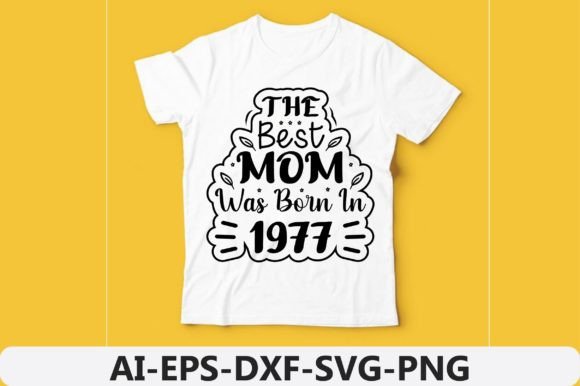
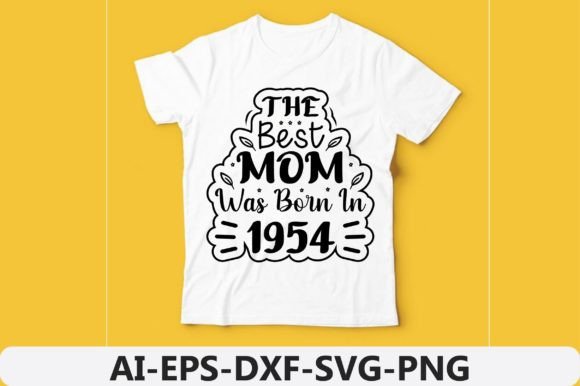
When a client approaches me with a request for a nostalgic, family-centric apparel line, the pressure is on to find assets that feel authentic rather than generic. Recently, while developing a concept for a boutique gift shop specializing in milestone birthday merchandise, I evaluated The Best Mom Was Born in Year 1954. As a designer, my first impression is crucial; does this asset scream "vintage charm" or does it look like a rushed afterthought? Upon opening the files, the design immediately established a warm, celebratory mood. It captures the specific aesthetic of mid-century nostalgia without feeling dated in a negative way. For brand owners and marketers looking to tap into the sentimental market, this graphic offers a solid foundation for creating emotional connections with an audience celebrating a 70th birthday or Mother's Day.
Integrating Nostalgia into Modern Brand Identity
In the context of small business branding, consistency is key. This asset works exceptionally well when integrated into a broader brand identity strategy for handmade businesses. Imagine a local bakery or a custom gift boutique launching a seasonal campaign for spring birthdays. The Best Mom Was Born in Year 1954 serves as a perfect hero graphic for product labels and packaging design. When placed on a kraft paper box or a pastel-colored sticker, the typography and layout enhance the visual trust consumers place in a brand. It signals that the business cares about detail and personalization.
For content creators and bloggers, this graphic is a goldmine for social media graphics. Whether designing an Instagram post celebrating a customer's milestone or creating a Pinterest pin to drive traffic to an Etsy shop, the visual weight of the design draws the eye. It fits naturally into editorial design layouts for digital magazines focusing on aging gracefully or family history. However, one must be mindful of visual hierarchy. In crowded layouts, such as a busy flyer with too much text, this design might compete for attention. It shines best when given breathing room, acting as a decorative accent or the focal point of a clean, minimalist composition.
Versatility Across Print-on-Demand and Craft Projects
The true test of any graphic design asset is its versatility across different mediums. For T-Shirt Designs, this file is a standout candidate. The structure of the text lends itself well to direct-to-garment printing and heat transfer vinyl applications. Cricut users will appreciate the clarity of the lines if they are cutting this out for tote bags or iron-ons. Because the design is available in multiple formats, including SVG and EPS, it scales beautifully from a small pocket logo to a large back-print statement piece.
Beyond apparel, the potential for sublimation design is significant. I can easily visualize this on ceramic mugs, a classic gift for mothers, or on metal signs for home decor. The transparent PNG format ensures that when placed on colored backgrounds, there are no unsightly white boxes ruining the professional look. For digital sellers operating in the creative marketplace, bundling this with complementary elements could create a high-value design bundle. It is particularly effective for printable wall art, where the sentimentality of the year 1954 resonates deeply with the buyer's personal history.
Technical Performance and File Usability
From a technical standpoint, receiving a design in SVG, Transparent PNG, EPS, DXF, and AI formats is a massive advantage for professional workflows. The vector files (SVG, EPS, DXF, AI) allow for infinite scalability without pixelation, which is critical for large format printing like posters or banners. During my review, I inspected the vector paths and found them clean and editable, meaning I can adjust kerning or swap colors to match a specific client's brand palette. This level of editability is essential for maintaining brand consistency across different marketing visuals.
The raster version (PNG) showed excellent transparency, with no jagged edges around the lettering. This is vital for web design and overlaying graphics on complex photography. However, designers should always test the asset in black and white before finalizing a print job. While the design holds up well in grayscale, ensuring sufficient contrast on dark backgrounds is necessary to maintain readability. If used on a navy blue t-shirt, for instance, a white or cream variation of the graphic would be required to ensure the message pops.
Strategic Application and Designer Notes
While The Best Mom Was Born in Year 1954 is a strong contender for many projects, it requires strategic placement. It is ideally suited for themed collections, campaign visuals, and commemorative merchandise. It adds a layer of emotional appeal that generic text simply cannot achieve. However, caution is advised when using it in very small sizes, such as a favicon or a tiny tag on a garment, where the details of the year might become illegible. It is also not the best fit for ultra-modern, corporate branding that relies on stark minimalism; its inherent warmth clashes with cold, industrial aesthetics.
Before committing to a client project, I recommend a few practical steps. First, preview the design on real product mockups to see how it interacts with fabric textures or material finishes. Second, compare the font style against other typefaces in your layout. Does it pair well with a sans serif body copy, or does it need a script font to balance the display style? Finally, and most importantly, confirm the commercial license. Using a commercial design asset without proper clearance can lead to legal issues for both the designer and the client. Ensure that the license covers your intended use, whether it's for unlimited print-on-demand sales or a limited run of custom invitations.
In conclusion, this graphic is more than just a phrase; it is a versatile tool for storytelling. For designers, crafters, and small business owners, it offers a ready-made solution that balances nostalgia with modern production standards. When used thoughtfully, it elevates the perceived value of the final product, turning a simple t-shirt or mug into a cherished keepsake.